
Someone asked on a travel forum: “Is five days on the Hexi Corridor boring? It’s basically one road with a fort and some sand, right?” I laughed, then I wrote a very long reply. Yes, it is one road – a thousand kilometres of oasis towns strung between desert and snow mountains, and the whole point is that the light, the food and the temperature change every couple of hours. But I understood the worry: five days sounds like a lot for three famous stops. So instead of listing attractions, I answered with the thing I would actually want to know before booking: what the fifth day buys you, hour by hour, and what a rushed four-day version feels like from the back seat. Here is that answer.
Short answer: Five days is the sweet spot for the Hexi Corridor. It gives Zhangye Danxia a proper sunset, Jiayuguan Pass a full morning, the Mogao Grottoes an unhurried visit and Mingsha Mountain both an evening and a dawn – without the 6 a.m. departures that a 4-day version demands. If you only want to photograph three places well rather than tick off six, this is the itinerary I would choose.
Let me start with the hour I would not sell away. It is 6:40 p.m. at platform 4 in Zhangye, and everyone on the viewing deck has gone quiet – not because anyone asked them to, but because the ridges are changing colour while they watch. Ten minutes earlier the stripes were a dull brick red. Now the low sun catches the mineral layers at an angle and the whole valley turns orange, then almost pink, and the shadows in the gullies go violet. I have stood here maybe sixty times and I still find myself checking the light instead of talking. A guest once told me afterwards that she had come all this way expecting a photograph and got, in her words, “twenty minutes where I forgot I was holding the camera”. That is what the fifth day on this route buys: enough slack to wait for the light, rather than arriving at the wrong hour because the van has to be somewhere else.
At a glance: my 5-day Hexi Corridor route
| Route | Lanzhou – Zhangye – Jiayuguan – Dunhuang |
| Extra day vs 4 days | A second morning in Zhangye (Matisi or the Giant Buddha Temple) and a full, unhurried Dunhuang day |
| Best months | May, June, September, October |
| Driving | About 1,100 km total, split into three comfortable legs |
| Who it suits | Photographers, history-minded travellers, anyone who dislikes being rushed |
| Book first | Mogao Grottoes timed entry, then the Danxia sunset slot |
I run a lot of Silk Road itineraries, and the question I get most often is not “what is there to see” but “how do I see it without spending the whole trip in a car”. The answer is a fifth day. Below is the version I use, written as I would explain it to a guest on the first morning.
Day 1 – Lanzhou: the Yellow River, and a bowl of noodles before the road
I don’t rush people out of Lanzhou. We walk the Zhongshan Bridge over the Yellow River, stop at the waterwheel garden, and if guests are interested we add the Gansu Provincial Museum to see the famous “Flying Horse of Gansu” bronze – a Han-dynasty object that turns out to be the symbol of the whole corridor. Then lunch is Lanzhou beef noodles, ordered at the counter: you choose your noodle width, and the broth, radish, coriander and chilli oil go in by hand. It costs the equivalent of a few dollars.
After lunch we take the high-speed rail or drive to Zhangye. I prefer the train on this leg (about 3 hours) because it saves the shoulders for the rest of the week and the view of the Qilian foothills is excellent from the window.
Where I sleep: Zhangye city, Ganzhou district. What I eat: noodles for lunch, then a light Zhangye dinner – cuo yu zi or a plate of chao pao – so nobody goes to the dunes hungry the next day.
Day 2 – Zhangye: Matisi in the morning, Danxia at golden hour
This is the day the fifth day buys you. In the morning we go to the Matisi (Horse Hoof Temple) grottoes, about 60 km south of Zhangye: cave temples cut into a cliff with the Qilian snow peaks behind, far fewer visitors than Mogao, and a short steep stair climb inside the rock. Two hours is enough. Alternatively, for guests who prefer flat walking, the Giant Buddha Temple in town has a remarkable 35 m reclining Buddha in a wooden hall dating to the Western Xia period.
Then a rest, and the Zhangye Danxia National Geological Park for sunset. Here is how I actually work the site: enter via the West gate about 2.5 hours before sunset, take the shuttle to platform 4 first (the classic layered panorama and the best sunset light), then platform 2 and platform 1 as the light drops. Platform 5 is a shorter walk and usually quieter. The whole circuit is 2-3 hours with shuttle rides.
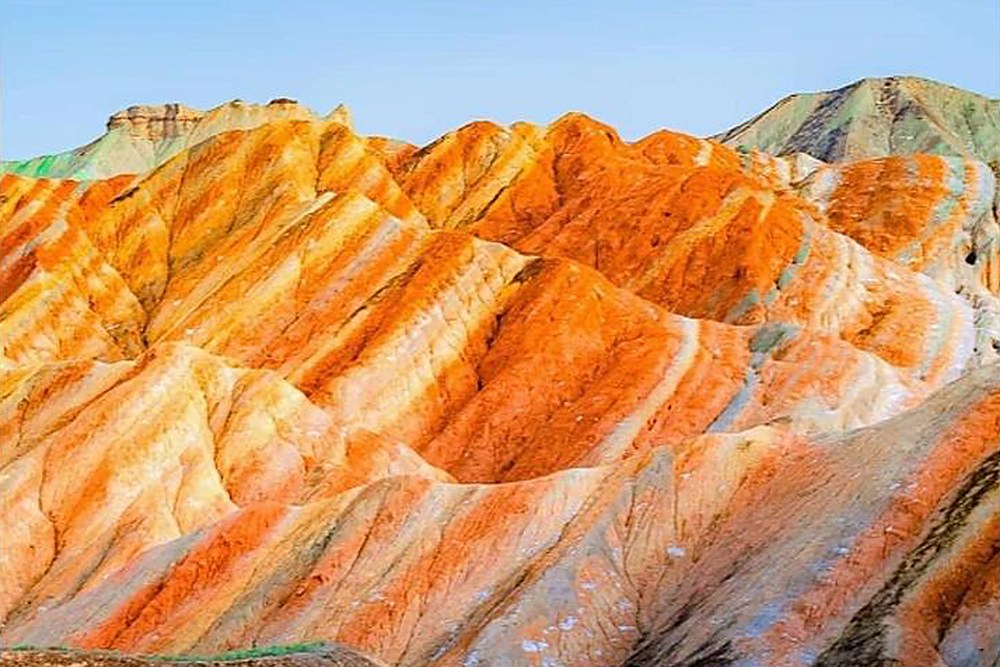
How not to ruin it: don’t go at noon, don’t step off the boardwalks onto the coloured crust, and don’t schedule a dinner reservation for 7 p.m. – sunset timing shifts by two hours between May and October. Bring a hat; there is essentially no shade on the platforms.
Day 3 – Zhangye to Jiayuguan: the pass, the wall and the museum inside the fort
A 220 km morning drive. Jiayuguan Pass is the best-preserved western fortress of the Ming Great Wall, and I give it a full two to three hours rather than the 45-minute photo stop most groups get. We walk the ramparts, look out at the Gobi and the snow range, then go into the small museum inside the fort to see how the rammed-earth walls were built and how the garrison lived. That context is what makes the rest of the corridor legible.
If the group is energetic, I add the Overhanging Great Wall (a steep restored ridge section 8 km away) and the Wei-Jin tomb brick murals, whose painted bricks show everyday life 1,700 years ago – barbecuing, ploughing, herding – with wonderful economy of line. If not, we simply enjoy the afternoon in town.
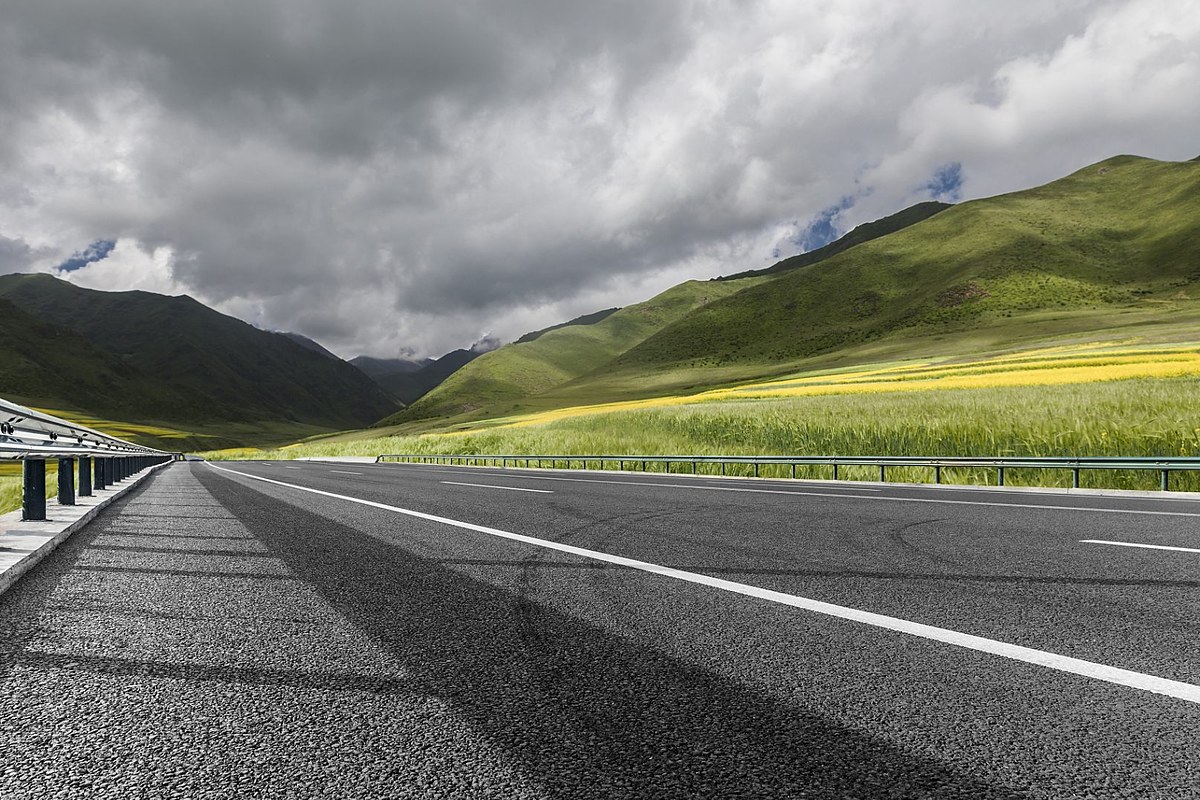
What I eat: charcoal-grilled lamb skewers, cumin-heavy and cheap, at an open-air barbecue street in Jiayuguan. Where I sleep: Jiayuguan city, so day 4 is a comfortable morning drive rather than a pre-dawn one.
Day 4 – Jiayuguan to Dunhuang: sunset on the dunes
About 370 km of open desert road. We reach Dunhuang in the early afternoon and I deliberately leave 2-5 p.m. free: in summer this is the hottest part of the day, and the Mingsha Mountain and Crescent Moon Spring dunes are punishing then. Around 5 p.m. we enter the park.
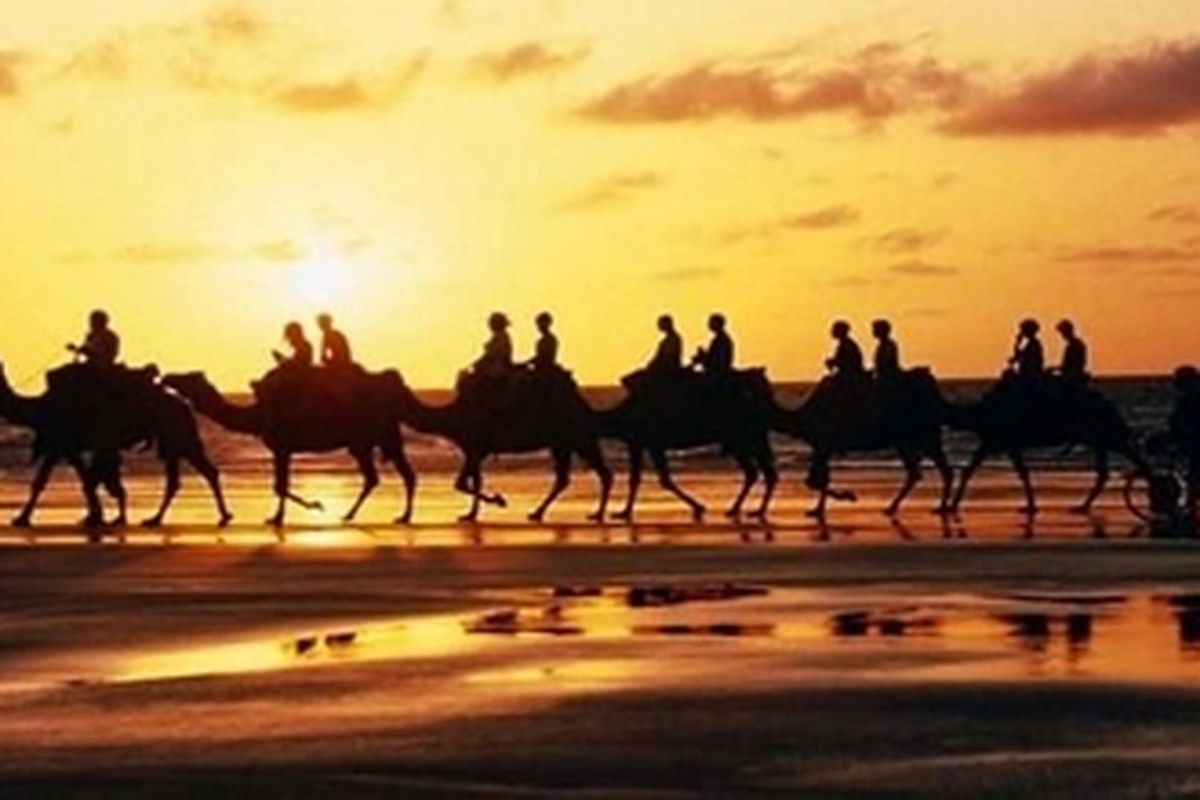
I use the multi-entry ticket, because the site is worth two visits. This evening we climb the dune by the wooden ladder for sunset, watch the light go off the ridges, and walk down to the Crescent Moon Spring pavilion after dark. Camel rides, dune buggies and sand-sledding are all sold inside; I book only what guests actually want, and always agree the price first. Fine sand gets into everything – a zip bag for the phone and a blower brush for the camera are the two items I hand out.
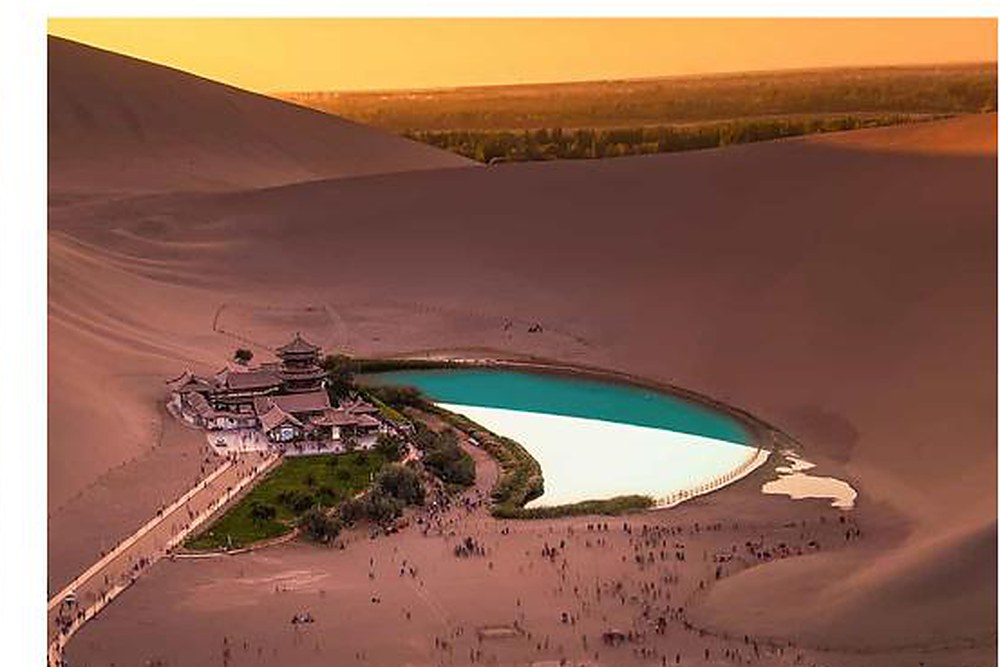
What I eat: Dunhuang donkey meat yellow noodles and a cold apricot peel drink; the Shazhou night market is worth a walk for atmosphere, but I eat one street back where locals queue.
Day 5 – Mogao Grottoes, and a dawn return to the dunes
If the group is up for it, we use the second entry to Mingsha at dawn – the dunes are cool, empty and covered in overnight footprints, which is the best photograph of the whole trip. Then an 8 a.m. slot at the Mogao Grottoes.
Mogao is a cliff of nearly 500 decorated caves, a thousand years of Buddhist painting and sculpture. Standard tickets include two short films, a guided walk through roughly eight to ten caves (the guide chooses, and no two visits are identical), and the exhibition centre. Photography inside the caves is forbidden – the pigments are irreversibly light-sensitive. The Digital Exhibition Centre’s replica caves are the place to take pictures. I tell guests to save the big questions for the museum afterwards, because talking inside the caves holds up the group.
There is a moment inside the caves that I try not to spoil by explaining it beforehand. Your guide opens a door, the group files into a small dark chamber, and a shielded torch comes up – and a face that was painted thirteen centuries ago appears out of the black, intact, calm, looking straight at you. The air in there is cool and slightly dusty and smells of old mineral pigment. Nobody photographs it, because nobody is allowed to, and I think that is why guests remember those eight caves more clearly than the museum panels afterwards. On one visit a man from Toronto said, “I can’t take a picture of this, so I have to actually look at it.” He was right, and it is the reason I book the earliest slot: the group is small, the guide is unhurried, and there is space to stand still.
After lunch we go to the airport or station. If your flight is late, the Dunhuang Museum or the Yadan (Devil City) National Park sunset are both worthwhile add-ons; Yadan adds about 180 km of driving each way, so I only recommend it on a 6- or 7-day route.
Where to stay on this route (and the one booking mistake I see)
My rule is town over gate: Lanzhou in Chengguan district by the river, Zhangye in Ganzhou district, Jiayuguan in the city near the fort, Dunhuang near Shazhou night market or, for a treat, one of the courtyard hotels on the dune road. A solid Chinese 4-star in these towns runs roughly US$45-90 per room; a well-run boutique courtyard in Dunhuang is US$90-160. I always request a non-smoking floor and a room away from the lift.
The mistake: booking the atmospheric desert camp or dune-side guesthouse and an early Mogao slot. It looks romantic online, but you are 40 minutes from the grottoes with limited breakfast and no backup if the wind picks up. Do it on the last night, when the morning is free.
Food worth ordering on the Hexi Corridor
- Lanzhou beef noodles – breakfast, before 10 a.m.
- Zhangye cuo yu zi and chao pao – two local noodle dishes you rarely find elsewhere.
- Jiayuguan charcoal lamb skewers – the corridor’s best casual meal.
- Dunhuang donkey meat yellow noodles – springy noodles, dark savoury sauce.
- Apricot peel drink (xing pi shui) – sweet-sour, cold, and exactly right after the dunes.
- Hand-grabbed mutton and Jiayuguan barbecue for a slower evening.
If you do not eat meat, tell me before the trip. Northwest Chinese cooking is heavily lamb-and-beef based, and vegetarian broth is not a safe assumption in smaller towns – though noodle, cucumber and egg dishes are easy to find once we know to look.
What I would avoid (five real pitfalls)
- Booking Mogao late. Timed, passport-linked tickets sell out in July, August and holiday weeks. This is the first thing I secure, before hotels.
- Midday Danxia. washed-out colour, harsh light, maximum heat. The park is a sunrise-or-sunset place.
- Chasing every “optional” activity at Mingsha. camel, buggy, sled, costume photo, helicopter – the add-ons can cost more than the tour day and eat the sunset. Pick one.
- Unlicensed cheap transport. 1,100 km of desert highway is not where to gamble on a driver without rest rules, insurance or air conditioning.
- Assuming international cards work. set up Alipay or WeChat Pay with a foreign card before arrival; carry cash for small shops, toilets and tips.
Practical notes
Weather: desert heat by day, a real drop after sunset. In May and October I pack a fleece; in July and August, a light shell plus serious sun protection. UV is intense even when the air feels cool. Altitude: 1,500-1,700 m along this route, so altitude sickness is unlikely – dehydration is the actual risk. Documents: carry your passport daily for name-verified entries. Phones: Google, WhatsApp and Instagram are blocked on mainland networks; arrange a roaming eSIM or a VPN before you fly. Toilets: on the long desert leg, facilities are basic; tissues and hand sanitiser in the day bag. Crowds: avoid the first week of October (National Day) when sites and prices both peak. Photography: drones require permission at Mogao and most scenic parks; ask before unpacking one.
What this trip actually felt like
The morning I like best is the dawn return to Mingsha on day five. We get in while it is still cold, and the dunes are covered in the wind’s overnight combing plus a single line of footprints from whoever walked up before us. Your breath shows. The sand is firm and damp underfoot, completely different from the loose, hot stuff of the evening before, and the whole place is silent apart from your own steps. Ten minutes later the sun hits the ridge and the surface goes gold from the top down. I usually let people scatter for half an hour and say nothing. By then we have done the fort, the coloured mountains and the grottoes, and this is where the trip stops being a list and turns into a place you have actually been. If you are choosing between four and five days, that quiet half hour on cold sand is what I am asking you to pay for.
The questions people asked me afterwards
“So what does the fifth day actually buy? Give me something concrete.” Three things. A morning at Matisi, where the cave temples are cut into a cliff with snow peaks behind and there are maybe twenty visitors instead of two hundred. A Danxia sunset you can wait for properly, instead of arriving at the wrong hour because the van has to be in Jiayuguan. And a dawn return to the Mingsha dunes on cold, firm sand with a single line of footprints in it. None of those are headline sights. All three are the reason people write to me afterwards.
“I’m bringing my parents, who are in their seventies. Is this too much?” It is one of the better routes for that, actually – altitude is low, the walking is short, and the fifth day means fewer 6 a.m. departures. The two things I would change: skip the dune ladder climb at Mingsha (there is a flat path straight to the spring), and swap the Overhanging Great Wall for the museum inside Jiayuguan fort. I also build in a longer lunch and an actual rest stop. Tell me about mobility when you book and I will adjust the vehicle and the pace.
“Do I need a proper camera for Danxia?” No – phones handle it fine, and I have watched people get better pictures while actually looking at the place. What matters is the hour, not the gear. Arrive about 2.5 hours before sunset, take the shuttle to platform 4 first, then work backwards as the light drops. At noon the stripes are a flat brick red and there is no shade anywhere on those platforms. Bring a hat and water before you bring another lens.
Frequently asked questions
Is 5 days better than 4 days for the Hexi Corridor?
For most travellers, yes. The extra day buys a second Zhangye morning (Matisi or the Giant Buddha Temple), a slower Jiayuguan visit and a dawn return to the Mingsha dunes. Four days covers the same headline sites but with three consecutive early starts and no slack if a ticket or the weather goes wrong.
Which three places should I not skip?
Zhangye Danxia at sunset, Jiayuguan Pass, and the Mogao Grottoes. Mingsha Mountain and Crescent Spring is a close fourth, mostly because it is the one place on the route that feels like the desert you imagined.
How far in advance should I book Mogao Grottoes tickets?
As early as the reservation window allows, and several weeks ahead in July, August and early October. Tickets are tied to the passport name, so I need your passport details at booking time, not on arrival.
Can I combine the Hexi Corridor with Qinghai Lake?
Yes, but that is a different, longer route – the Gansu-Qinghai Grand Loop, usually 7 to 8 days from Xining through Qinghai Lake, Chaka Salt Lake, the Qilian grasslands, Zhangye and Dunhuang. Five days is not enough to do both comfortably.
Is this route good in winter?
It is quiet, cheap and the grottoes are easier to book, but dune activities and long outdoor walks in the wind lose their appeal. I would shift the itinerary toward museums, the fort and shorter outdoor stops between November and March.
The route behind this guide is Hexi Corridor & the Great Wall – 5-Day Private Tour. Compare it with Hexi Corridor vs Gansu-Qinghai Grand Loop, and see What to Pack for the Silk Road before you fly.